Why Your Website Is Not Ranking on Google (And How to Fix It)
In this guide, you’ll learn why your website is not ranking on Google, the most common issues holding businesses back, and practical fixes you can apply right away.
Why Your Website Is Not Ranking on Google (And How to Fix It)
Why Ranking Matters?
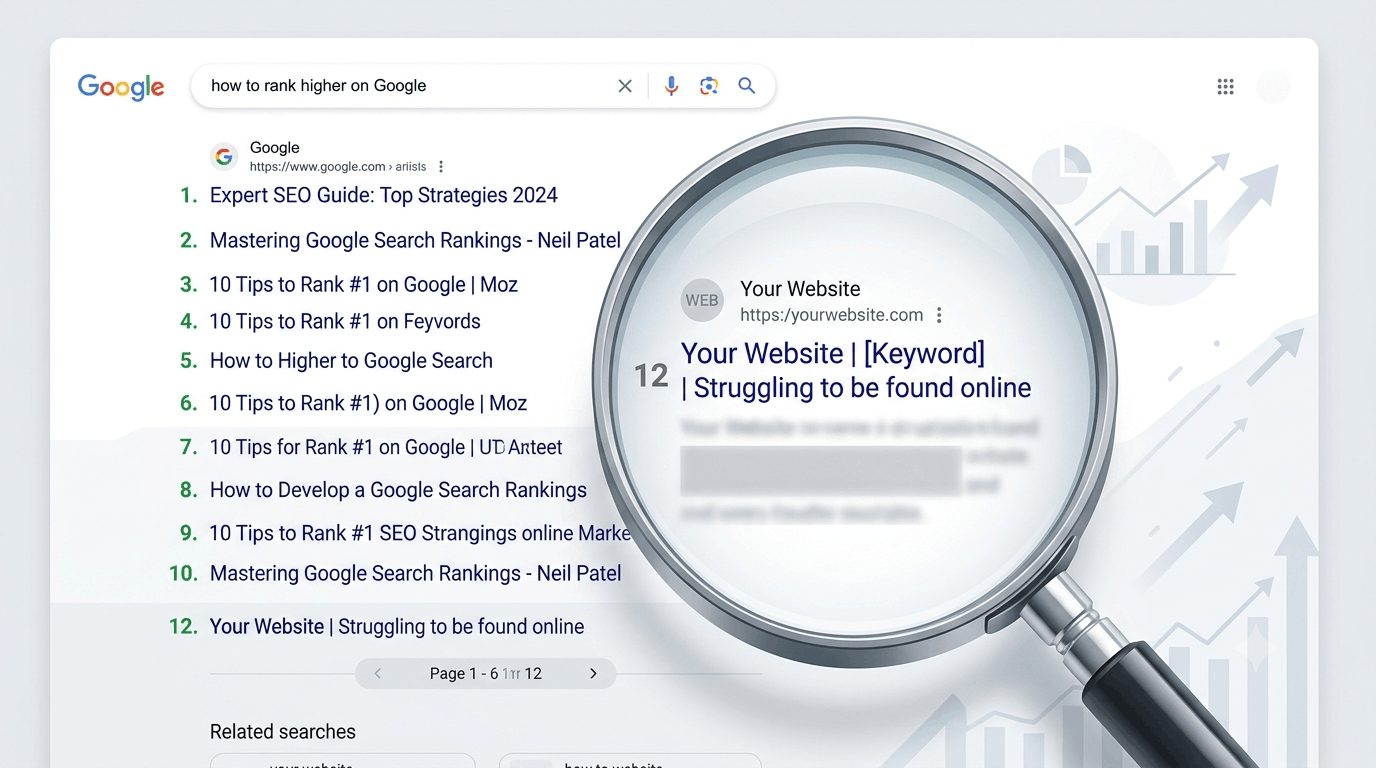
If your website not ranking on Google, you’re not alone. Many businesses invest time and money into building a site, only to find it buried on page five of search results. Ranking matters because Google is where customers begin their journey. If your site isn’t visible, you’re missing out on traffic, leads, and sales.
Understanding the Problem
When we say a website not ranking on Google, it doesn’t mean Google ignores your site entirely. Instead, it signals that your site isn’t meeting the criteria Google uses to decide which pages deserve top spots. These criteria include relevance, authority, technical health, and user experience.
Common Reasons Your Website Isn’t Ranking
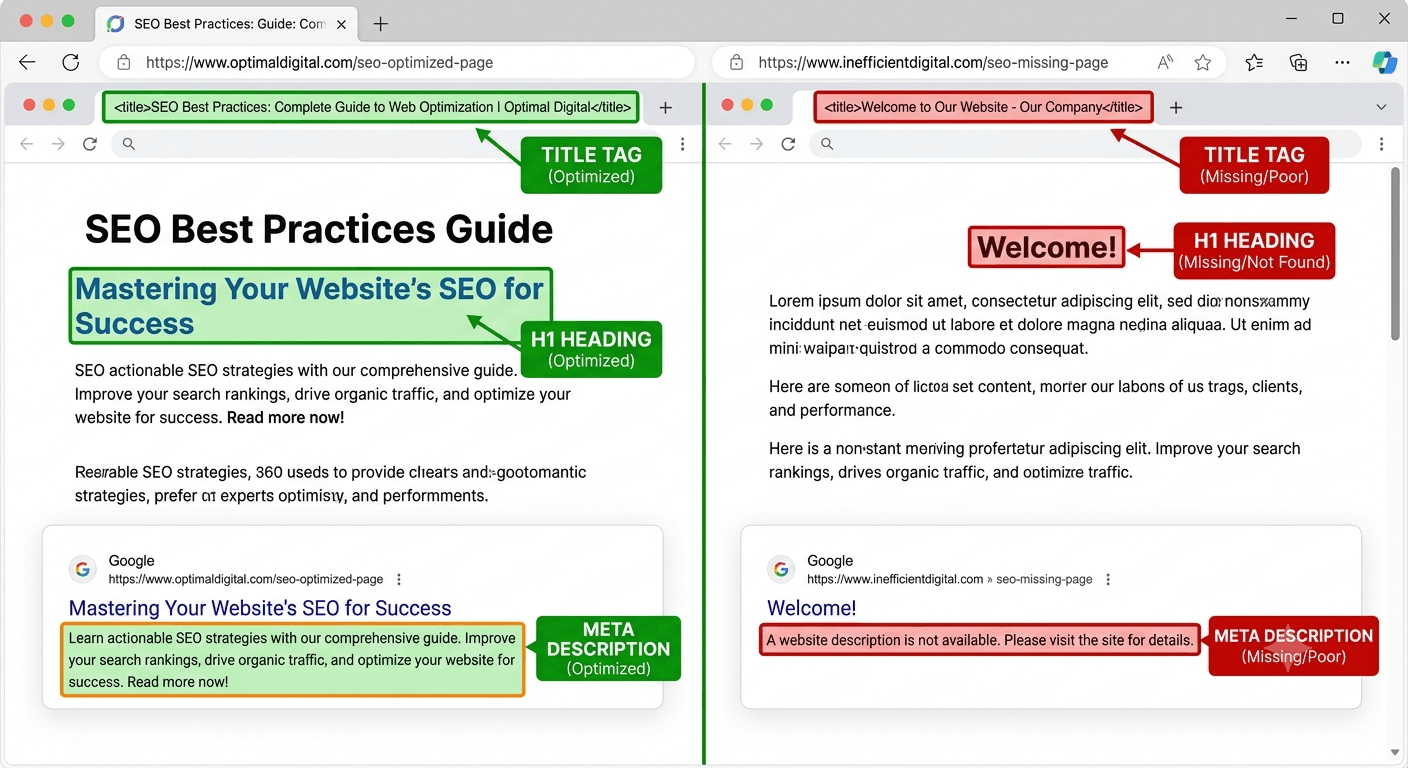
1. Missing SEO Basics
Without optimized title tags, meta descriptions, and headings, Google struggles to understand your content. For example, a bakery website with no mention of “cakes” or “pastries” in its titles won’t show up when people search for those terms.
2. Thin or Low-Quality Content
Google rewards sites that provide value. A two-paragraph service page with vague promises won’t outrank a competitor offering detailed explanations, FAQs, and case studies.
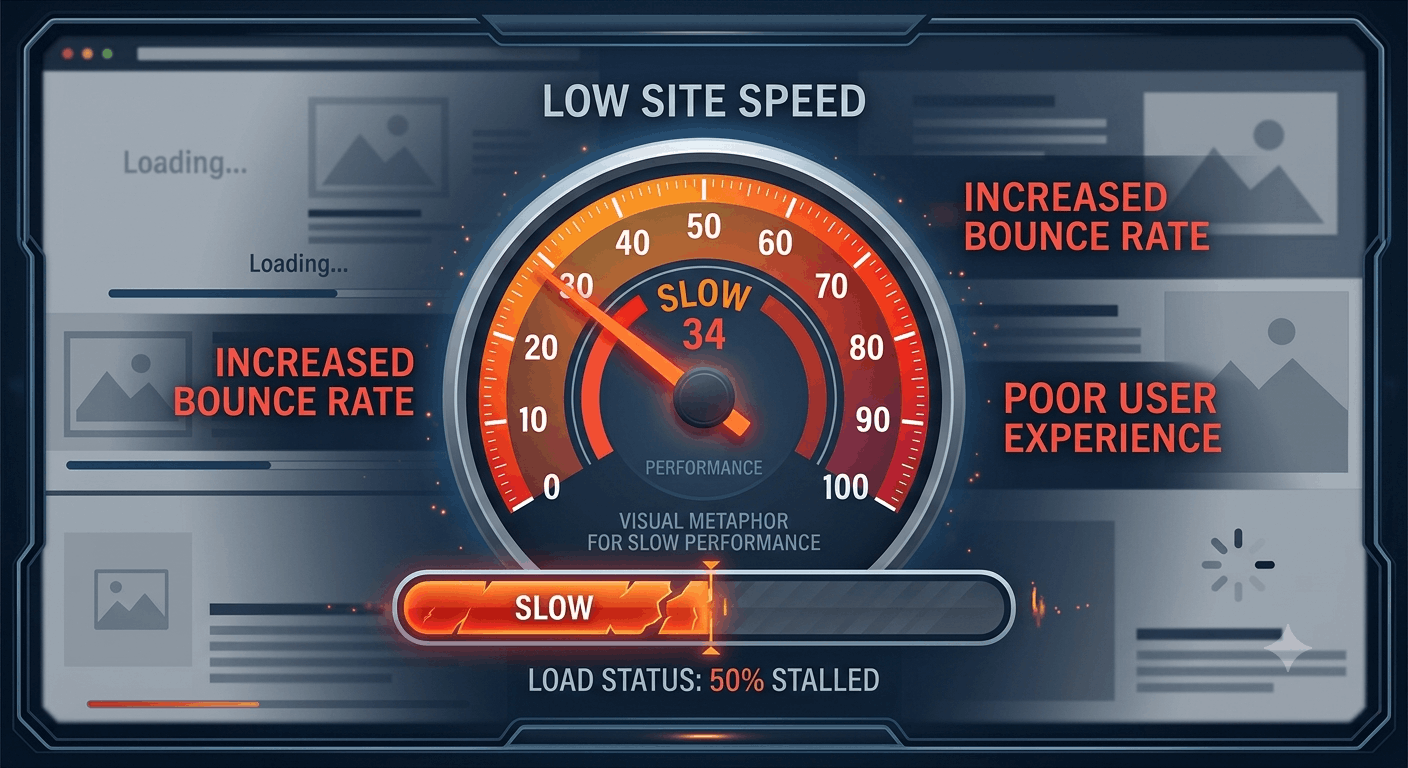
3. Slow Site Speed
A slow-loading site frustrates users and signals poor quality. Tools like Google PageSpeed Insights can reveal whether large images, bloated code, or poor hosting are holding you back.
4. Not Mobile-Friendly
With most searches happening on mobile, a site that doesn’t adapt to smaller screens will struggle. Google’s mobile-first indexing means mobile usability is no longer optional.
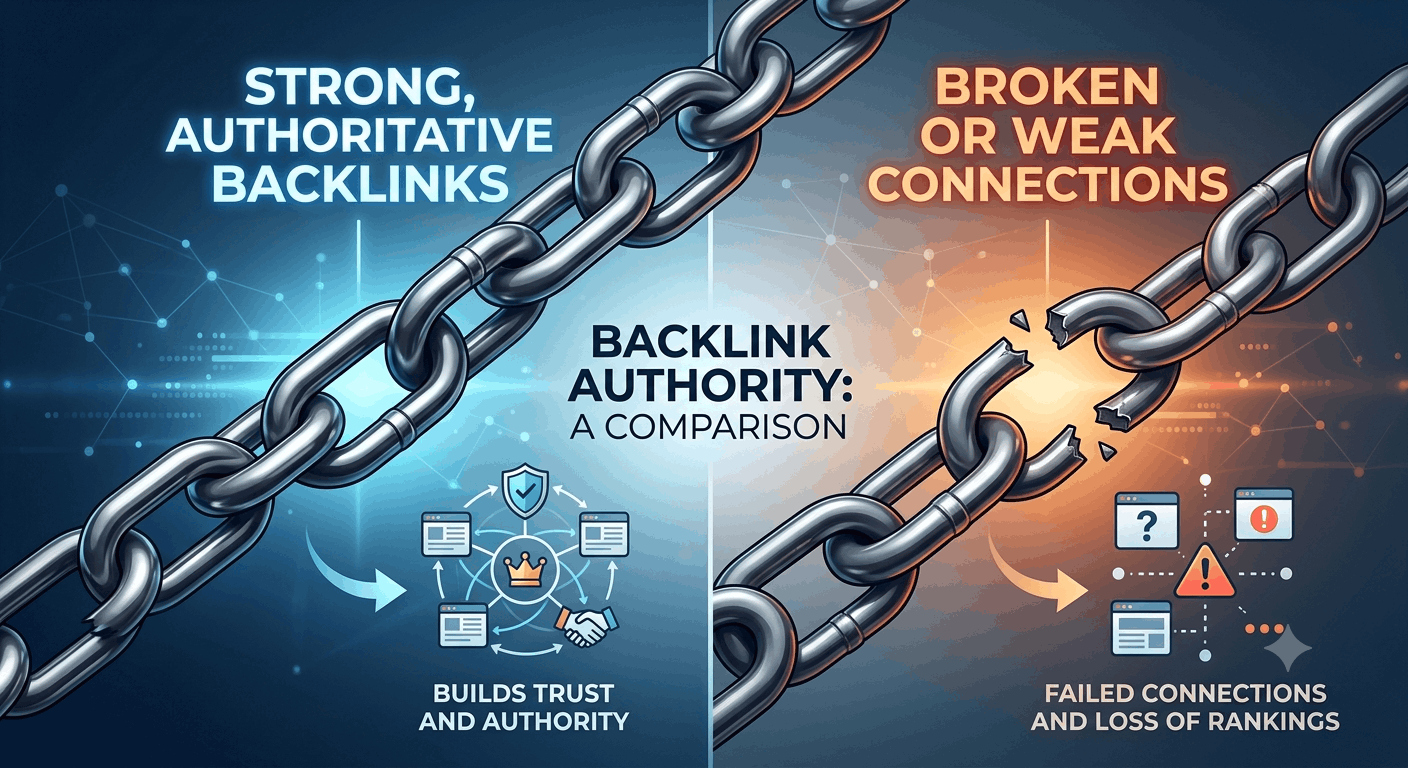
5. Weak Backlink Profile
Backlinks act as votes of confidence. If reputable sites aren’t linking to you, Google assumes your site lacks authority. For example, a local law firm with zero mentions in directories or news outlets will rank lower than competitors with strong citations.
6. Poor Local SEO
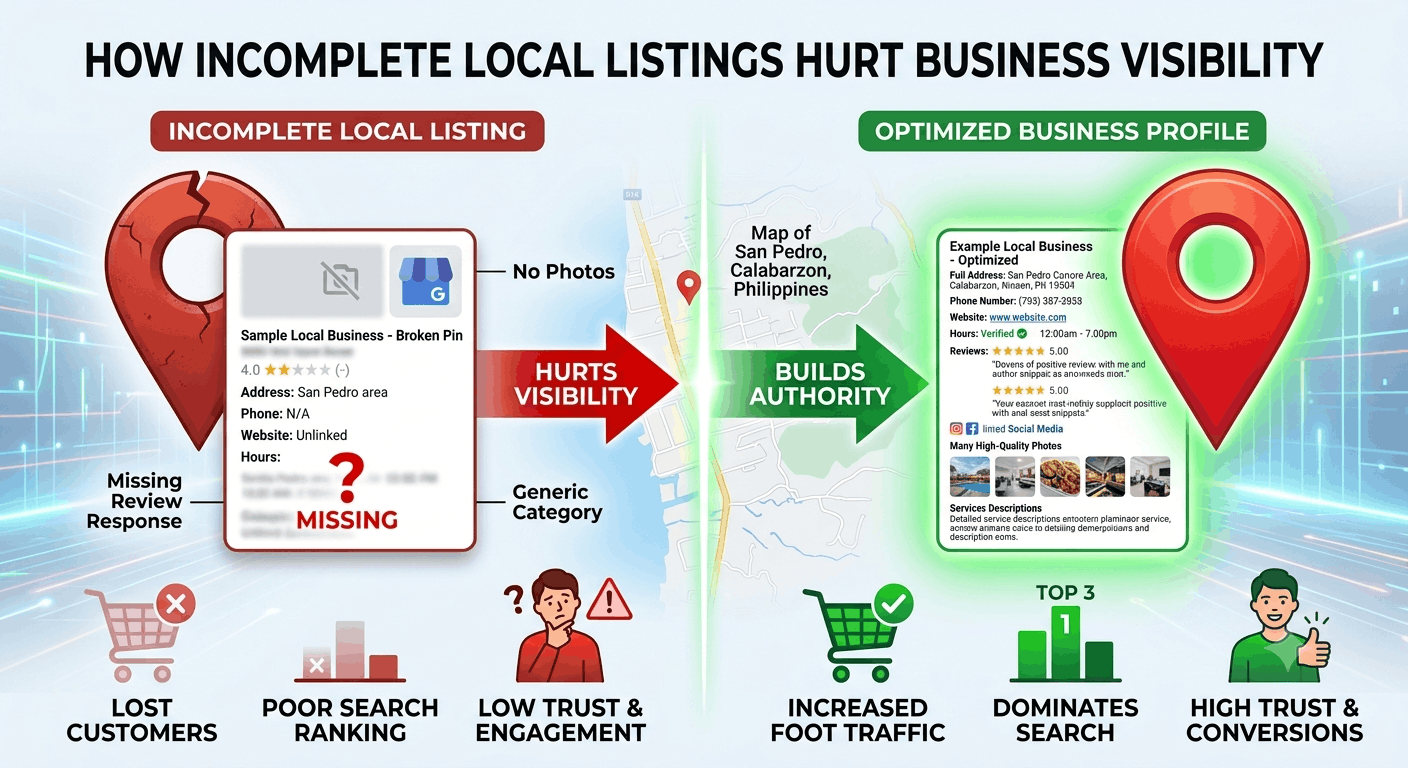
If you’re a local business, failing to optimize your Google Business Profile or add location-specific keywords can keep you invisible in local searches.
Targeting overly broad or irrelevant keywords means you’re competing with giants. A small real estate agency targeting “buy house” globally will struggle compared to focusing on “buy house in Chicago.”
Practical Fixes to Improve Rankings
Optimize On-Page SEO: Use descriptive titles, meta descriptions, and headings with your target keywords.
Create Valuable Content: Publish blog posts, guides, and case studies that answer customer questions.
Improve Site Speed: Compress images, use caching, and upgrade hosting.
Ensure Mobile Responsiveness: Test your site on different devices and fix layout issues.
Build Quality Backlinks: Reach out to industry blogs, directories, and partners for mentions.
Leverage Local SEO: Claim your Google Business Profile and add location-based keywords.
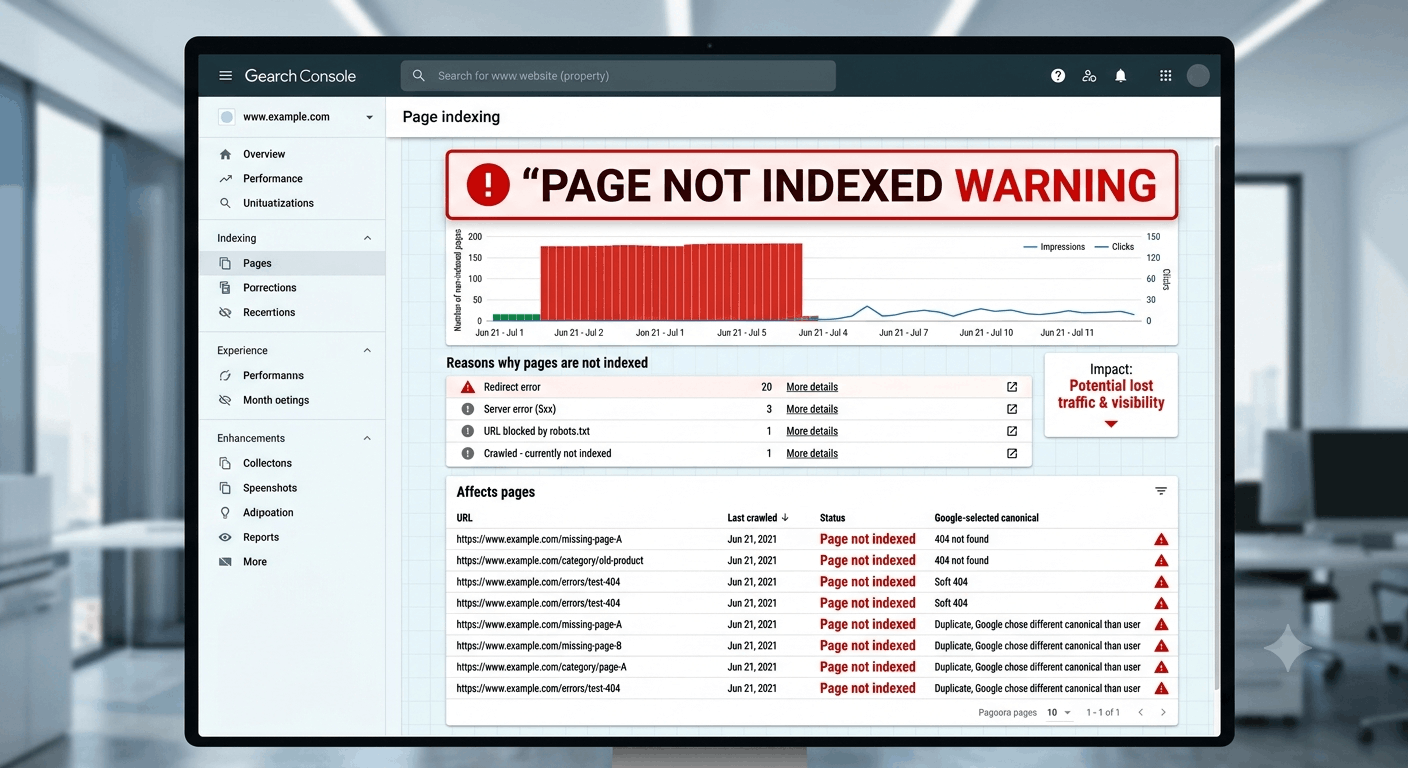
Check Indexing: Use Google Search Console to confirm your pages are indexed.
Refine Keyword Strategy: Focus on long-tail, intent-driven keywords relevant to your audience.
Common Mistakes to Avoid
Keyword Stuffing: Overusing keywords won’t help; it makes content unreadable.
Ignoring Analytics: Without tracking performance, you won’t know what’s working.
Copying Competitors: Duplicate content can hurt rankings instead of helping.
Neglecting User Experience: A cluttered design or confusing navigation drives visitors away.
Real-World Example
Imagine a local dentist whose site isn’t ranking. After auditing, they discover:
No Google Business Profile
Service pages with only two sentences each
Slow mobile load times
By fixing these issues—adding detailed service descriptions, optimizing for “dentist in Dallas,” and improving mobile speed—the site climbs from page five to page one within months.
Conclusion: Take Control of Your Rankings
A website that is not ranking isn’t a permanent problem. By addressing technical issues, improving content, and building authority, you can climb Google’s results and attract the audience you deserve. Remember: SEO is a long-term investment, but every step you take brings you closer to visibility and growth.
If you’re still struggling, that’s where I can help. As an SEO specialist, I work with businesses to fix these issues and grow their visibility online. You can contact me for personalized support or subscribe to get more free tips and updates.
If your website is not ranking on Google, you don’t have to figure it out alone.
At SEO by Ariane, I help small businesses and professionals build effective SEO strategies, optimize their websites, and attract more customers through organic search.
Feel free to reach out through my website or contact me directly to get started.
Have Any Project
In Mind?
Need help improving your website ranking or SEO performance? Let’s work together to grow your online visibility.
Get helpful SEO tips and insights to improve your website and grow your business.
We value transparency.
Before you commit to this plan, we’d like to connect with you directly. Our SEO Specialist will walk you through the process, answer your questions, and confirm the right fit.
Please leave your details below — we’ll reach out to arrange a meeting.
Reach Out to Your SEO Specialist
Get connected with us for any queries, information,and details about our services. Our team is always ready to serve you with everything you need. Our experts are always at your service.