How Contractors Get Found Online | Get Your Business Found on Google Maps
How Contractors Get Found Online | Get Your Business Found on Google Maps Discover how contractors get found online. This...
Read More →

Your Partner in Digital Strategy
Your Partner in Digital Strategy
In this guide, we’ll break down what SEO is, how it works, and how you can use it effectively to grow your online presence and build trust with your audience.
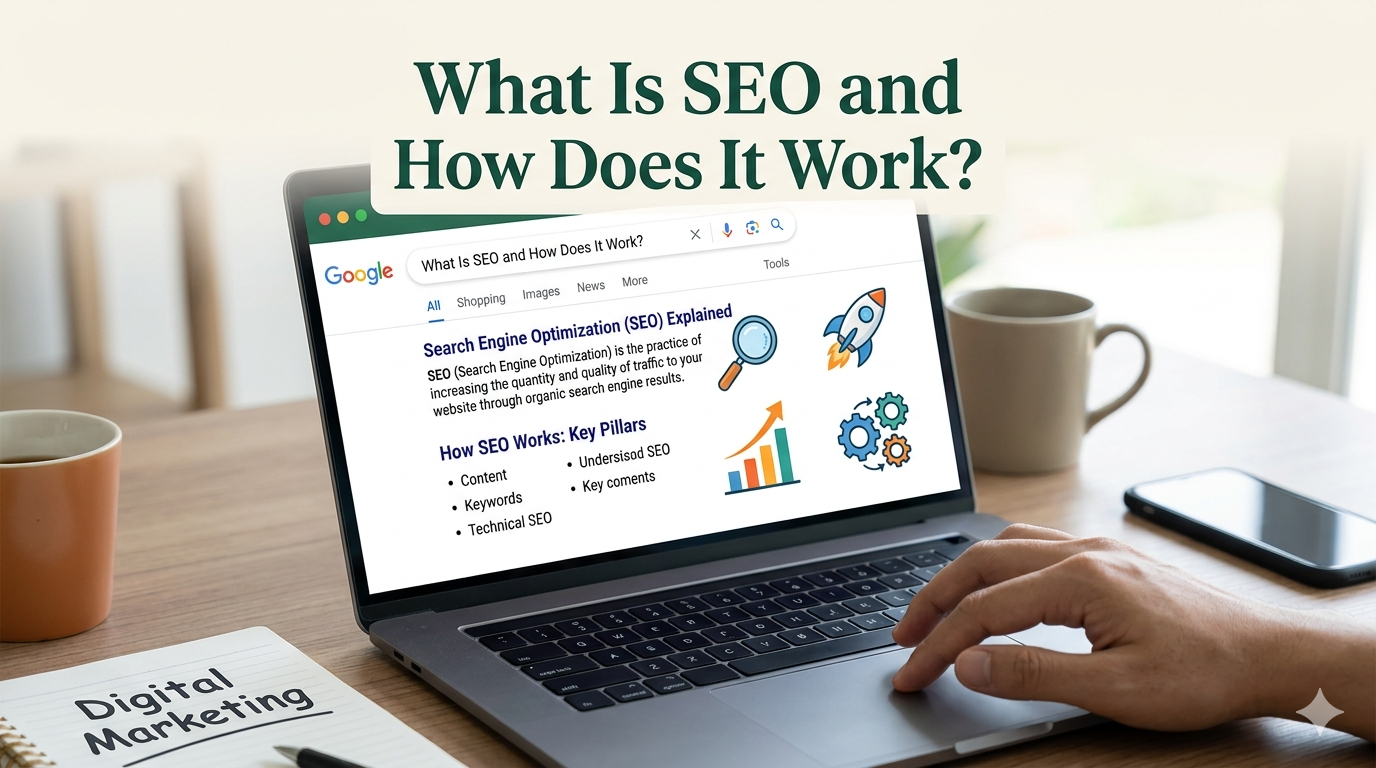
If you’ve ever searched for something on Google and clicked one of the top results, you’ve already experienced the power of SEO. But what is SEO, and why does it matter for businesses today?
Search Engine Optimization (SEO) is not just about ranking higher on search engines—it’s about connecting with the right audience at the right time. Whether you run a small business, manage a website, or create content, understanding SEO can help you attract consistent, high-quality traffic without relying solely on paid ads.
It’s the process of optimizing your website to improve visibility, attract the right audience, and build lasting trust online. More importantly, it’s about delivering value—helping users find exactly what they need.
When done correctly, SEO doesn’t just bring traffic—it brings the right traffic. People who are actively searching for solutions you provide.
In simple words SEO or Search Engine Optimization means making your website easy to find on Google.
SEO isn’t just one tactic—it’s a combination of strategies working together.
This focuses on optimizing elements directly on your website.
Key factors include:
Example:
A blog post that clearly explains a topic, uses structured headings, and answers user questions effectively is more likely to rank well.
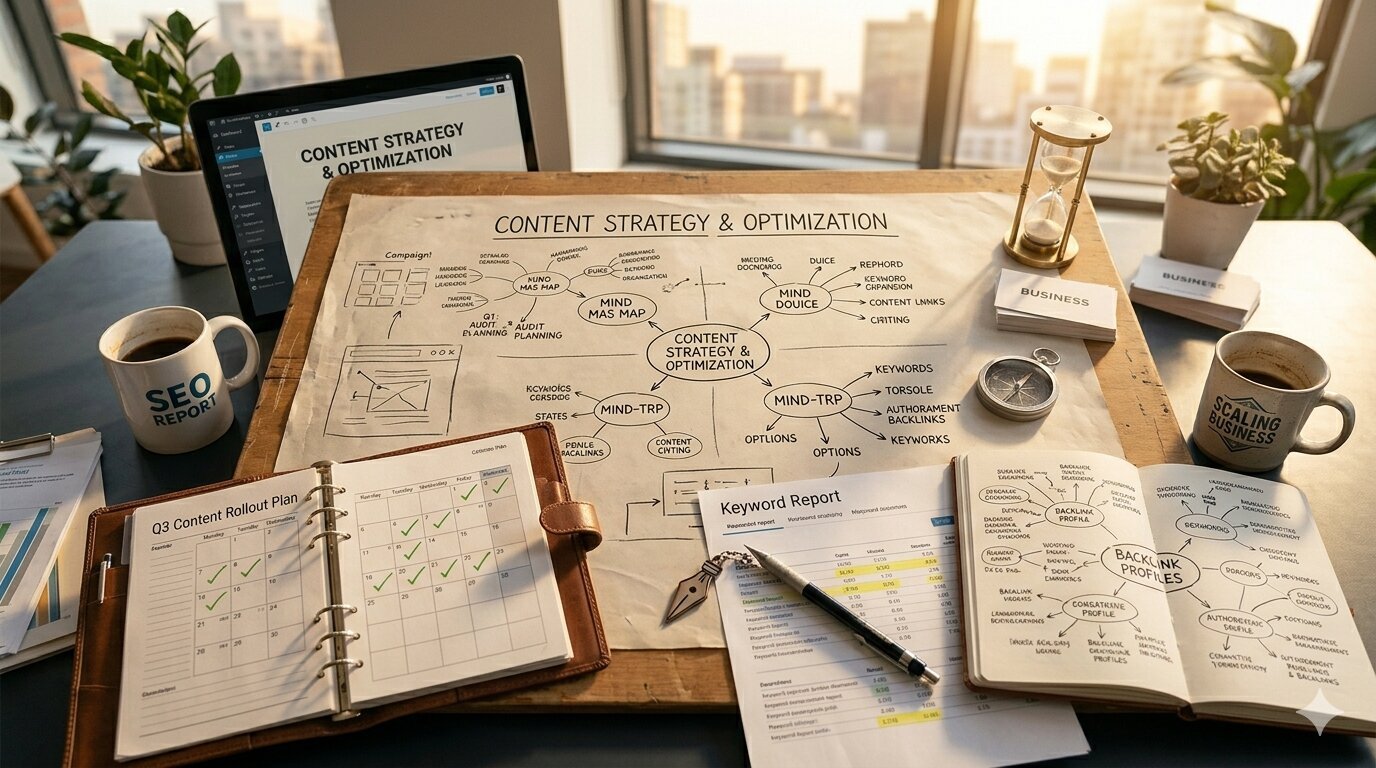
This refers to actions taken outside your website to improve credibility and authority.
Key factors:
Example:
If reputable websites link to your content, search engines view your site as more trustworthy.

This ensures your website is easy for search engines to access and understand.
Key elements:
Example:
A fast-loading website with no broken links provides a better user experience and ranks higher.

Understanding what is SEO optimization is crucial because it directly impacts your online visibility and growth.
Here’s why SEO is valuable:
Unlike paid ads, SEO continues to bring traffic over time—even after your initial investment.
Let’s walk through a real-world scenario.
Imagine you run a fitness blog. Instead of writing random content, you:
Research keywords like:
Create a helpful, in-depth article targeting one of those topics
Over time:
That’s how SEO works in action—aligning your content with what your audience is actually searching for.
If you’re just starting out, focus on these high-impact strategies:
Find out what your audience is searching for.
Tools to consider:
Don’t just target keywords—solve real problems.
Ask yourself:
Use:
This improves readability and SEO performance.
A slow website can hurt both rankings and user experience.
Quick fixes:
Focus on earning links naturally by:
Even with good intentions, many beginners make avoidable mistakes.
Keyword Stuffing is overusing keywords unnaturally in your content because it can hurt both your rankings and readability.
Search engines are smart enough to detect when content is written for algorithms instead of real people. Instead of repeating the same phrase excessively, focus on writing naturally and providing real value.
Creating content without understanding what users actually want can lead to poor performance.
Every search has an intent—whether it’s to learn something, find a solution, or make a decision. If your content doesn’t align with that intent, it’s unlikely to rank or engage readers effectively.
Focus on delivering content that directly answers the user’s need.
Failing to optimize your website for mobile devices can significantly impact both rankings and user experience.
With the majority of users browsing on mobile, your site must be responsive, fast-loading, and easy to navigate on smaller screens.
A poor mobile experience often leads to higher bounce rates and lost opportunities.
Content that lacks depth, originality, or usefulness will struggle to rank and build credibility.
Search engines prioritize content that demonstrates expertise, relevance, and value. Simply publishing for the sake of consistency is not enough—quality should always come first.
Well-researched, clearly written content performs better over time.
SEO is a long-term strategy that requires consistency and patience.
Results don’t happen overnight. It takes time for search engines to crawl, index, and evaluate your content. Sustainable growth comes from ongoing effort, not quick fixes.
SEO continues to evolve. Staying updated helps you stay competitive.
Key trends include:
The focus is shifting from “gaming the algorithm” to genuinely helping users.

If you want to improve your website rankings but don’t know where to start, I can help.
At SEO by Ariane, I help small businesses build effective SEO strategies, optimize their websites, and attract more customers through organic search.
Feel free to reach out through my website or contact me directly to get started.
Need help improving your website ranking or SEO performance? Let’s work together to grow your online visibility.

Before you commit to this plan, we’d like to connect with you directly. Our SEO Specialist will walk you through the process, answer your questions, and confirm the right fit.
Please leave your details below — we’ll reach out to arrange a meeting.
Get connected with us for any queries, information,and details about our services. Our team is always ready to serve you with everything you need. Our experts are always at your service.