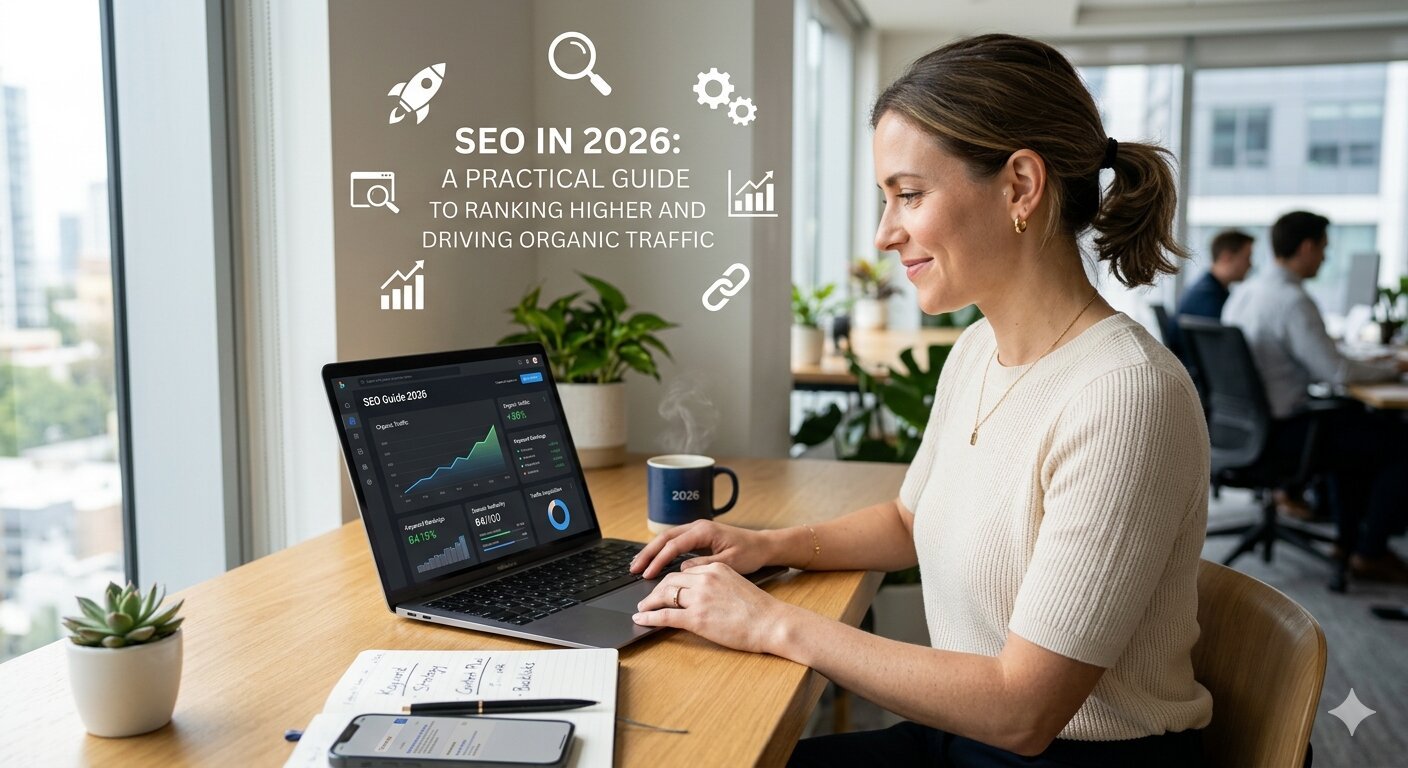
SEO in 2026: A Practical Guide to Ranking Higher and Driving Organic Traffic
This guide explains modern SEO in a clear, practical way so you can understand what actually helps websites rank in Google and how to apply those ideas in real business situations.
SEO in 2026: A Practical Guide to Ranking Higher and Driving Organic Traffic
SEO continues to evolve—but one thing stays the same:
In 2026, ranking on Google is not about tricks or shortcuts. It’s about understanding your audience, creating helpful content, and optimizing your website the right way.
This guide will walk you through practical SEO strategies that small businesses can use to rank higher and drive consistent organic traffic.
What Has Changed in SEO in 2026?
Search engines have become smarter.
Google now focuses more on:
User intent (what people are really looking for)
Content quality and usefulness
Website experience (speed, mobile, usability)
This means outdated tactics like keyword stuffing no longer work.
Why SEO Still Matters for Small Businesses
SEO remains one of the most effective ways to grow your business online.
It helps you:
Get consistent, free traffic
Attract customers actively searching for your services
Build trust and credibility
Compete with larger businesses
Unlike ads, SEO keeps working even after the initial effort.
Step 1: Focus on What Your Customers Are Searching For
Everything in SEO starts with understanding your audience.
Ask:
What problems do my customers have?
What solutions are they searching for?
Example (restaurant business):
“best restaurant near me”
“affordable family restaurant”
“food delivery near me”
Example (home services business):
“plumbing services near me”
“electrician for house repair”
“emergency plumbing service”
Focus on real searches from your customers—not industry jargon.
Step 2: Create Helpful, High-Quality Content
Content is still one of the strongest ranking factors.
In 2026, content must be:
Useful
Clear
Easy to understand
Focused on solving problems
Example (salon business):
“Best Haircuts for Different Face Shapes”
“How to Maintain Healthy Hair at Home”
Example (fitness business):
“Beginner Workout Plan for Busy People”
“How to Start a Fitness Routine at Home”
Helpful content builds trust—and Google rewards that.
Step 3: Optimize Your Website Pages
Each page on your website should be properly optimized.
Make sure to:
Use a clear keyword for each page
Add it to your title and headings
Write a compelling meta description
Keep your content easy to read
Simple optimization can make a big difference in rankings.
Step 4: Improve Website Experience
User experience is now a major ranking factor.
Your website should:
Load quickly
Work well on mobile devices
Be easy to navigate
Have clear calls-to-action
If users leave your site quickly, Google notices.
Step 5: Build Authority and Trust
Google ranks websites it trusts.
You can build trust by:
Getting backlinks from other websites
Publishing consistent content
Showing real business information
Having a professional-looking website
Trust is a key factor in long-term rankings.
Step 6: Use Local SEO (If You Serve a Specific Area)
If your business serves a location, local SEO is essential.
Make sure to:
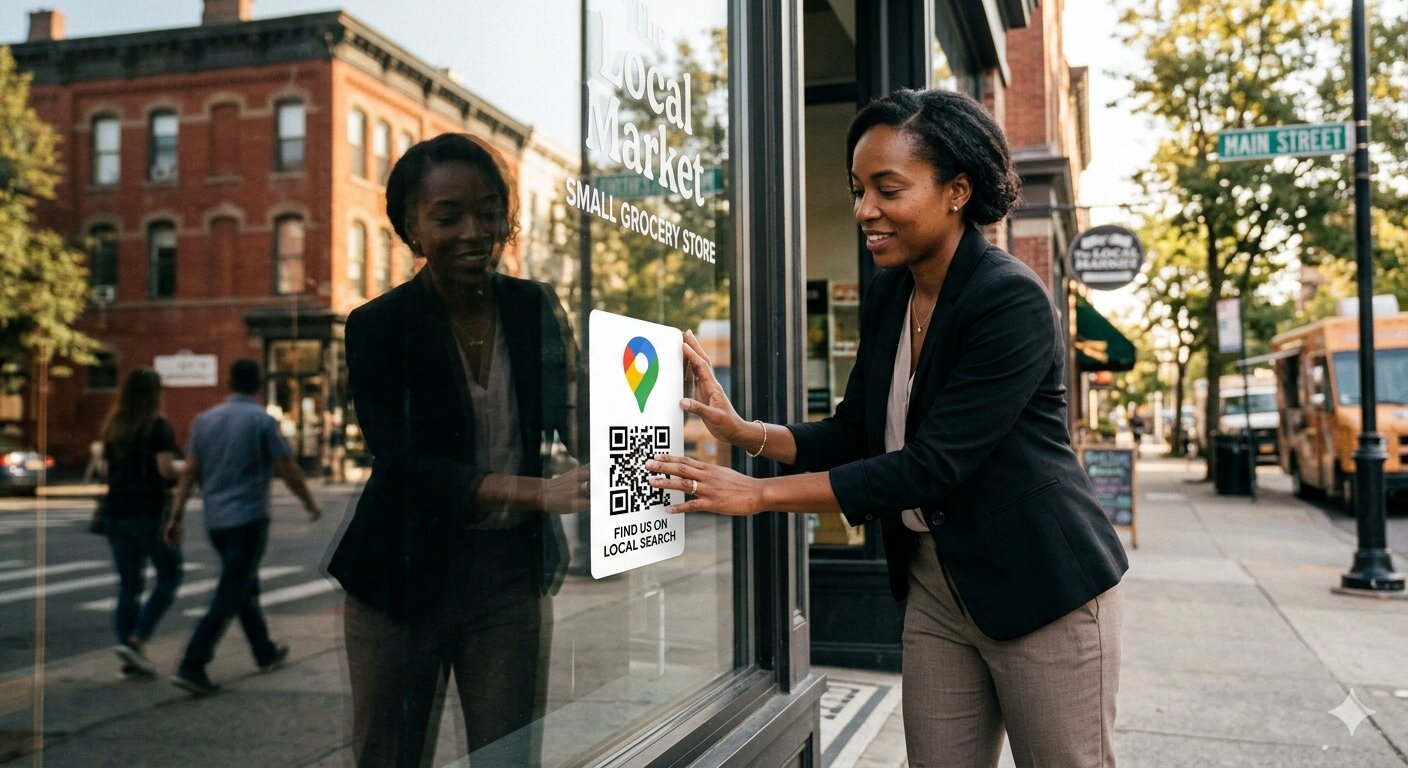
Create a Google Business Profile
Use location-based keywords
Encourage customer reviews
Keep your business details consistent
This helps you appear in local searches and maps.
Step 7: Stay Consistent
SEO is not a one-time task.
To see results, you need to:
Keep creating content
Update your website regularly
Track your performance
Improve over time
Consistency is what separates ranking websites from those that don’t.
Common SEO Mistakes to Avoid in 2026
Avoid these common issues:
❌ Targeting keywords that are too broad ❌ Ignoring user intent ❌ Publishing low-quality content ❌ Not optimizing website pages ❌ Expecting fast results
SEO in 2026 is all about providing value.
If you:
understand your customers
create helpful content
optimize your website
stay consistent
you can rank higher on Google and grow your business with organic traffic.
Get helpful SEO tips and insights to improve your website and grow your business.
We value transparency.
Before you commit to this plan, we’d like to connect with you directly. Our SEO Specialist will walk you through the process, answer your questions, and confirm the right fit.
Please leave your details below — we’ll reach out to arrange a meeting.
Reach Out to Your SEO Specialist
Get connected with us for any queries, information,and details about our services. Our team is always ready to serve you with everything you need. Our experts are always at your service.